
Loading...
A well-built pressure-treated deck can last 25 to 40 years. We set footings below the frost line, pull the permit, and build it right - so you get a backyard your family actually uses.
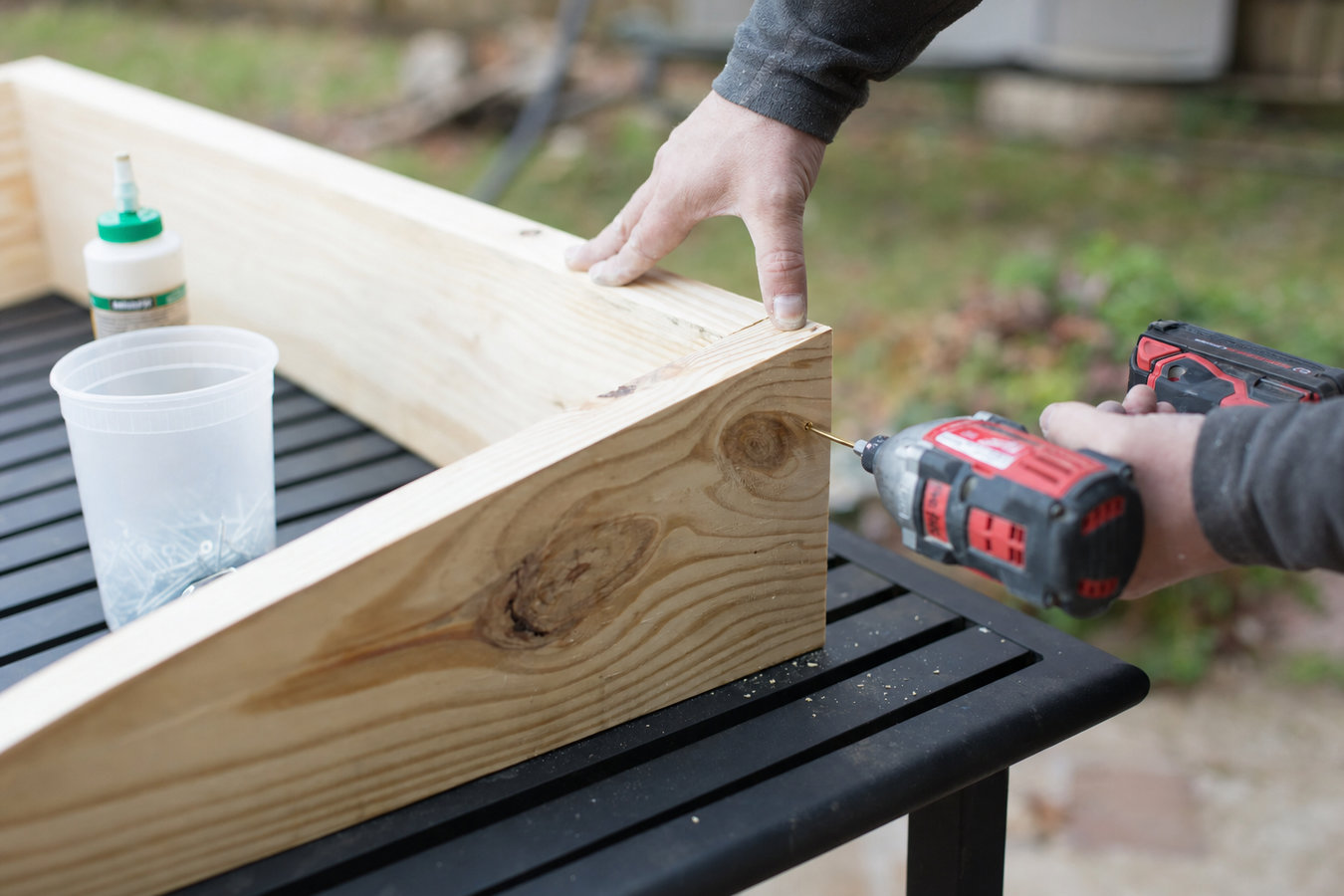
Pressure-treated wood deck construction in Billerica means setting preservative-treated lumber on concrete footings and framing a structure built to handle New England winters - most 300 to 400 square foot decks take three to five working days to build once the permit is approved.
Pressure-treated lumber has been the standard choice for outdoor decks for decades for good reason: it is rot-resistant, widely available, and costs less upfront than composite options. The trade-off is maintenance - wood needs to be cleaned and sealed every two to three years to hold up in Billerica's wet climate. Homeowners who prefer to skip that routine often compare pressure-treated with cedar wood deck construction, which offers natural beauty and some built-in rot resistance. The American Wood Protection Association at awpa.com publishes the standards that govern how pressure-treated lumber is graded and tested.
For homeowners in Billerica who plan to stay put for the long term and are willing to do some regular upkeep, a well-built pressure-treated deck is a practical and cost-effective choice. The difference between a 15-year deck and a 35-year deck is mostly in how well it was built and how consistently it was maintained.
If boards flex more than they should or feel almost cushiony when you step on them, the wood has started to rot from the inside. Rot in deck boards often starts where water collects - near the ledger board, around post bases, or where debris has piled up and stayed wet. In Billerica's wet springs and humid summers, this kind of moisture damage is common in decks more than 15 years old.
If you can see a gap opening between the deck and your home's exterior wall, or if the ledger board looks like it is separating, this is a structural warning sign. This often happens when the original fasteners were not the right type for pressure-treated lumber or when the ledger was not properly flashed to keep water out. Left unaddressed, it can allow water into your home's rim joist.
Grab your deck railing and push on it firmly. It should feel completely solid. If it moves, flexes, or makes noise, the post connections have likely loosened from years of use, wood shrinkage, or from the freeze-thaw cycles Billerica experiences every winter. Loose railings are a safety issue, especially with children or elderly family members using the deck.
Many Billerica homes built in the 1960s and 1970s have large backyards that go almost completely unused because there is no comfortable transition from the house to the yard. If you rarely go outside because there is nowhere comfortable to sit, a deck is often the single home improvement that changes how your family actually uses your property.
We build pressure-treated decks in single-level and elevated configurations - from a simple ground-level platform to a raised deck with stairs and railing. The process starts with a site visit to walk your yard, assess the grade, inspect where the deck will attach to your house, and talk through the design. We handle the permit application with the Billerica Building Department and schedule the required framing inspection before the decking boards go down.
Some homeowners start with a pressure-treated deck and want to protect their investment long-term - if that is you, we can also discuss deck staining and sealing once the new wood has had six to twelve months to dry out. Others want to compare materials before committing - we are happy to walk you through how pressure-treated compares to cedar wood construction in terms of cost, maintenance, and long-term performance in this specific climate. Every build comes with the permit pulled, the inspection passed, and written care guidance handed off at the end.
A practical, cost-effective option for yards with minimal grade change - suits homeowners who want a straightforward outdoor living area.
For homes where the back door sits above grade - includes proper railing systems and stair construction to meet building code requirements.
Built-in benches, planters, or integrated lighting for homeowners who want more than a basic platform.
Full tear-down and rebuild of an existing failing deck - including inspection of the ledger board and house framing before anything new goes up.
Billerica sits in Middlesex County, where the ground regularly freezes to a depth of 48 inches or more during winter. This means every deck post must be anchored well below that depth, which adds to the cost of excavation compared to warmer states - but it is not optional. If a contractor quotes you a price that seems unusually low, ask specifically how deep they plan to set the footings. Shallow footings are the most common reason decks in this region shift or separate from the house within a few years. Homes near Nutting Lake and the Concord River corridor also deal with higher ambient moisture, which means board spacing and drainage details matter more - wood that stays wet longer deteriorates faster.
Much of Billerica's housing was built between the 1950s and 1990s, and many of these homes sit on lots with mature trees, sloped terrain, or older landscaping close to the house. Sloped yards often require taller deck framing, which increases both material costs and the complexity of the railing system. We do a thorough site walk on every job before quoting. Homeowners in Woburn and Wilmington deal with the same soil and frost conditions, and we build in those towns as well.
Call or use the form and we will respond within one business day. We ask about your yard, the rough deck size you have in mind, and your timeline - low-pressure, no commitment required.
We come to your property to measure, check grade and ledger conditions, and walk through the design with you. You receive a written proposal with a clear scope and price - no vague estimates.
Once you sign the contract, we apply for the building permit through the Billerica Building Department. This typically takes a few days to a few weeks. We handle the paperwork; you do not need to do anything.
Footings go in at 48 inches deep, the frame goes up, the town inspector signs off on the framing, then the decking boards go down. We clean up and hand you the permit and inspection records at the end.
Free estimate, written quote, no sales pressure. We respond within one business day.
(978) 294-0937We set every post hole to at least 48 inches - the Massachusetts-required frost depth. This is the single most important structural detail on any deck in this climate, and skipping it is how decks fail within a few years.
We apply for the Billerica Building Department permit and schedule the framing inspection as part of the job. That inspection gives you an independent confirmation the structure is sound - not just our word for it.
We have been building decks in and around Billerica since 2018. We know what local inspectors look for, what the soil conditions are like in different parts of town, and how to build a deck that survives a Massachusetts winter.
Every proposal spells out exactly what is included - materials, labor, permit fees, and what happens if something unexpected comes up during demo or excavation. The North American Deck and Railing Association at nadra.org is the trade body we follow for construction best practices.
Put it together and the answer is simple: a deck that is built right, inspected by the town, documented for when you sell, and backed by a local contractor who has been doing this work in Billerica for years.
A premium natural wood option with built-in rot resistance and a rich appearance.
Learn MoreProtect and extend the life of your new or existing wood deck with professional staining and sealing.
Learn MoreDeck builders book up fast once spring arrives - contact us now to lock in your start date before the backlog hits.